Why Governments Hold Billions in Unclaimed Funds: A Simple Guide to Escheatment and Dormancy Laws
Ever Wonder Where That Forgotten Money Goes?
Picture this: You're sorting through old mail, and there's a letter from a government agency mentioning unclaimed funds with your name on it. Or maybe a friendly caller says, "We believe that we have found money that belongs to you." Your first thought? Is this real? How did my money end up there in the first place?
You're not alone. Billions of dollars in unclaimed property sit in government vaults across the country—legitimate cash from everyday life that simply got lost in the shuffle. As your guide through this quirky system, let's break it down like we're chatting over coffee. No jargon, just the facts on government escheatment and dormancy laws, and why these funds belong back in your pocket.
How Does Money That Belongs to You End Up in Government Hands?
It starts innocently enough. Businesses, banks, insurers, and courts hold onto your assets for years, but when they can't reach you, dormancy laws kick in. These state rules say that after a set "dormancy period"—typically a few months to five years with no activity—the holder must hand it over to the government through escheatment. It's like a safety net, but one that often leaves money adrift.
The Surprising Sources of Unclaimed Funds
Tax overages: You overpaid your property taxes or got a refund that never arrived. Governments hold these surplus funds quietly.
Uncashed checks: Payroll stubs from a past job, vendor payments, or even utility rebates gathering dust in a drawer.
Insurance payouts: Life, property, or refund policies where beneficiaries moved without updating addresses.
Clerical errors: Utility deposits, security deposits, or forgotten bank accounts misplaced due to a name change or typo.
Think of a small business owner who closed shop a decade ago—uncashed checks from suppliers now sit as unclaimed property. Or an individual whose relative passed away, leaving insurance payouts unclaimed. These aren't rare windfalls; they're common slices of life reclaimed through asset recovery.
The Fragmented Maze of Agencies Holding Your Money
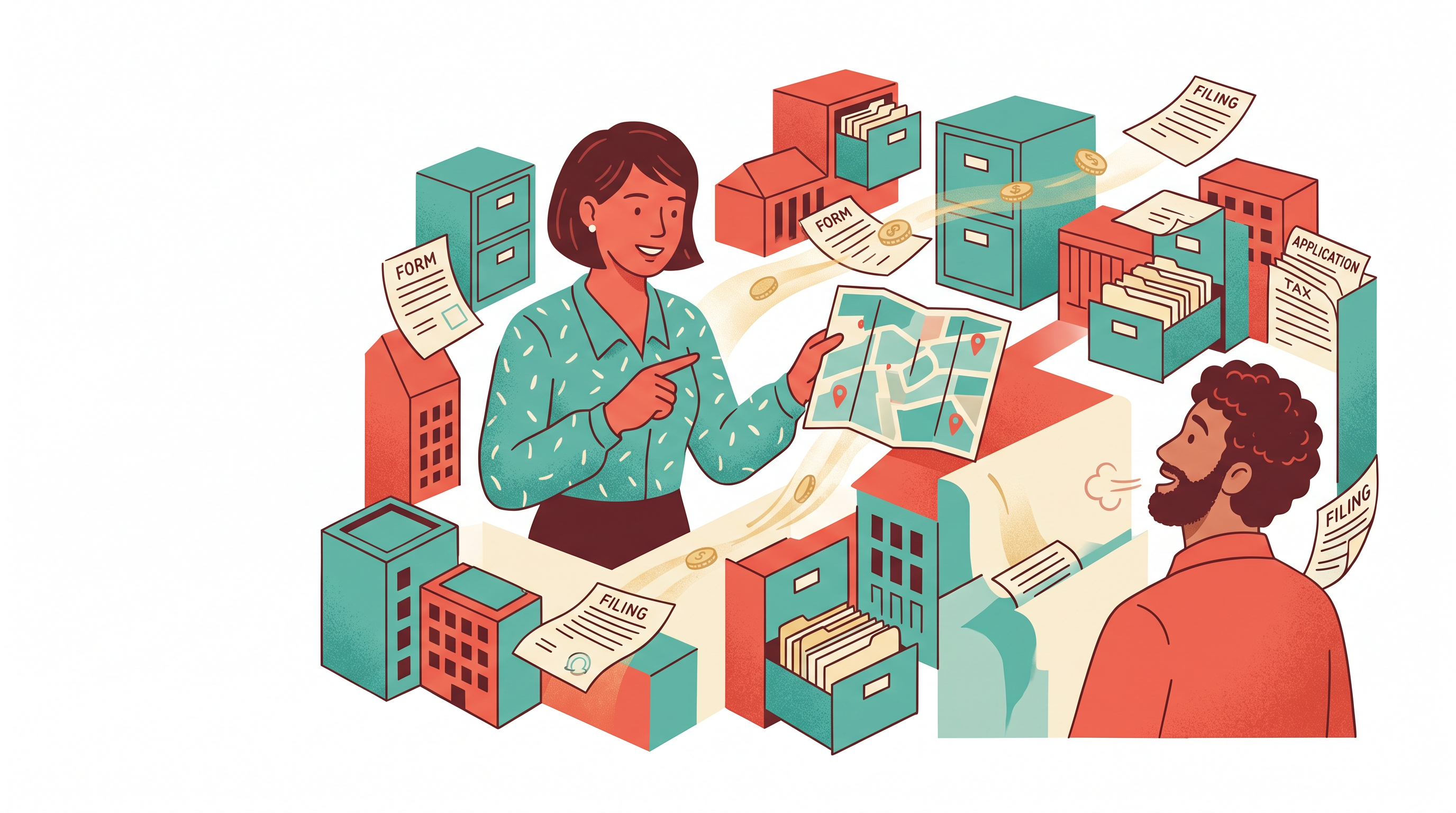
Here's where it gets tricky: This isn't one big national pot. Unclaimed funds are scattered across thousands of silos—state treasuries, county clerks, federal agencies, even court systems. Your tax overages might be in one government department office, while surplus funds from a foreclosure hide in another state's registry.
These entities don't talk to each other. No shared databases, no automatic cross-checks. A move across state lines? Good luck. It's a bureaucratic labyrinth designed for safekeeping, not swift reunions.
Why Isn't the Government Chasing You Down?
Governments are guardians, not hunters. Their job under dormancy laws and escheatment is to protect unclaimed property indefinitely for the funds themselves. But proactive outreach? That's not mandated, and with underfunded, understaffed offices, it's rare.
Reclaiming it yourself means navigating identity verification, heirship proofs for estates, multi-agency paperwork, and legal reviews. One wrong form, and you could be back to square one. This is where professionals like Refund Claims Experts shine—we handle the complexity so you don't have to.
Refund Claims Experts is a private company and is not affiliated with any government agency.
The Urgency Factor: Don't Let Deadlines Slip Away
Time adds a gentle nudge. Once escheated, dormancy periods before handover vary, and some states have rules on prolonged inactivity. The good news? If you've gotten that call or letter, it's likely still yours. Act thoughtfully, and reclaiming unclaimed funds is not only possible but probable.
Refund Claims Experts operates on a contingency basis—we only get paid if we successfully recover your money. No upfront costs, just results. We've seen it time and again: Folks who thought it was too late walk away with checks in hand.
Your Next Step Toward Reclaiming What's Yours
If a letter or call piqued your curiosity, breathe easy—this is legitimate and common. The system may be fragmented, but the money that belongs to you is waiting. With the right guidance, turning confusion into cash is straightforward.
Stick around as we demystify more in Understanding the Process. Your financial surprise could be just a conversation away.