Navigating the Patchwork of State Escheatment Laws: Why a Specialized Investigative Approach Wins for Unclaimed Property Recovery
The Hidden Fortune Trapped in America's Escheatment Maze
Picture this: billions of dollars in unclaimed property—uncashed checks, forgotten refunds, dormant bank accounts—languishing in state treasuries across the U.S. These aren't abstract numbers; they're real assets belonging to businesses and individuals like you, with ties spanning multiple states. Yet reclaiming them feels like decoding a cryptic puzzle, where each state holds a different key. This is the reality of state escheatment laws, a fragmented regulatory landscape that turns simple recovery into a high-stakes odyssey.
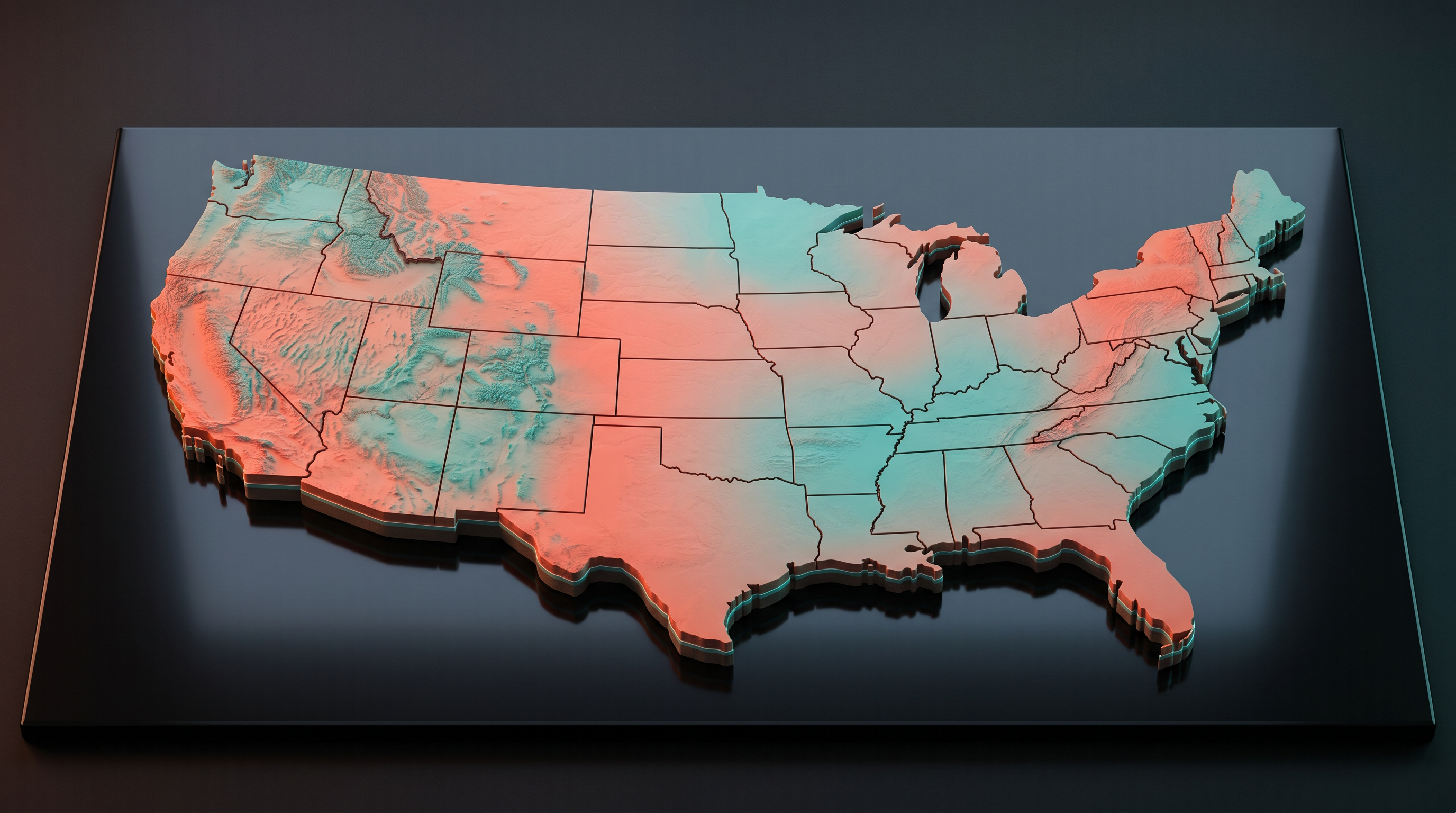
Escheatment, at its core, is the process by which states take custody of abandoned property after a period of inactivity, known as the dormancy period. But here's the catch: there's no uniform federal blueprint. Instead, 50 states plus the District of Columbia each enforce their own unclaimed property by state rules, creating a patchwork of state unclaimed property regulations that can overwhelm even the savviest navigator.
Dormancy Periods: The First Layer of Complexity in State Escheatment Laws
Dormancy periods vary wildly, dictating when property must be reported and escheated. A traveler's check might sit idle for three years in California before escheatment kicks in, but the same asset demands reporting after just one year in Kentucky. Bank accounts? Three years in New York, five in Florida. Safe deposit box contents can linger up to 10 years or more in some jurisdictions.
Unclaimed Property by State: A Snapshot of Variations
Short dormancy: Traveler's checks and money orders often escheat after 1-3 years in states like Delaware and Texas.
Medium hold: Payroll checks typically wait 1-5 years, with Illinois at 1 year and Pennsylvania at 5 years.
Longer timelines: Utility deposits or insurance proceeds might take 7-15 years, as in Ohio or Washington.
These aren't arbitrary; they're tailored to asset types and holder obligations. Miss the window, and your property vanishes into state funds—forever, unless expertly recovered.
Filing Requirements and Deadlines: Where Compliance Becomes a Nightmare
Beyond dormancy, state unclaimed property regulations impose rigid filing mandates. Holders—businesses issuing refunds or wages—must report annually, often by November 1 for the prior July 31 cutoff. But details diverge: some states require interest calculations, others demand detailed beneficiary data, and a few levy penalties for late filings exceeding 10% of the asset value.
For business owners operating across state lines, this multiplies exponentially. A national retailer with uncashed customer credits faces California's stringent electronic filing rules alongside Texas's paper-optional system. Individuals inheriting multi-state estates or relocating frequently? They're lost in a web of due diligence letters, holder searches, and proof-of-ownership hurdles unique to each jurisdiction.
Interstate asset recovery isn't a checklist; it's a labyrinth demanding precision at every turn.
Why Interstate Asset Recovery Demands More Than Good Intentions
The sheer volume—over $40 billion in unclaimed property held nationwide—belies the chaos beneath. Multi-state interests amplify risks: overlooked dormancy in one state means permanent loss. Varying verification standards, like New Jersey's affidavit requirements versus Arizona's digital portals, create dead ends for the unprepared.
This complexity erodes trust and drains resources. Businesses forfeit legitimate claims; individuals abandon pursuits amid red tape. Enter the game-changer: a specialized investigative approach.
The Power of a Specialized Investigative Approach in Unclaimed Property Recovery
Refund Claims Experts cuts through this with a professional asset recovery service built for the escheatment maze. Our specialized investigative approach leverages deep expertise in state escheatment laws, proprietary databases, and state-specific protocols to efficiently uncover, verify, and reclaim assets.
What Sets This Approach Apart
Comprehensive multi-state scans transcending public databases.
Nuanced handling of dormancy variances and filing nuances.
Rigorous due diligence meeting each state's unclaimed property regulations.
No-upfront-cost model focused on results for interstate asset recovery.
We don't guess; we investigate. From dormant payroll in Pennsylvania to forgotten rebates in Florida, our method recovers what others miss—authoritatively, directly, decisively.
Reclaim What's Yours: Beyond the Patchwork
The patchwork of state escheatment laws won't simplify soon. But you don't have to wrestle it alone. With Refund Claims Experts' specialized investigative approach, the billions in unclaimed property by the state become accessible assets again. Don't let regulatory riddles rob you—secure your recovery with proven professionals today.
Your fortune awaits. The key? Expertise that turns chaos into cash.